
TAKING ACTION ON ENVIRONMENTAL IMPACT & SUSTAINABLE PRACTICES
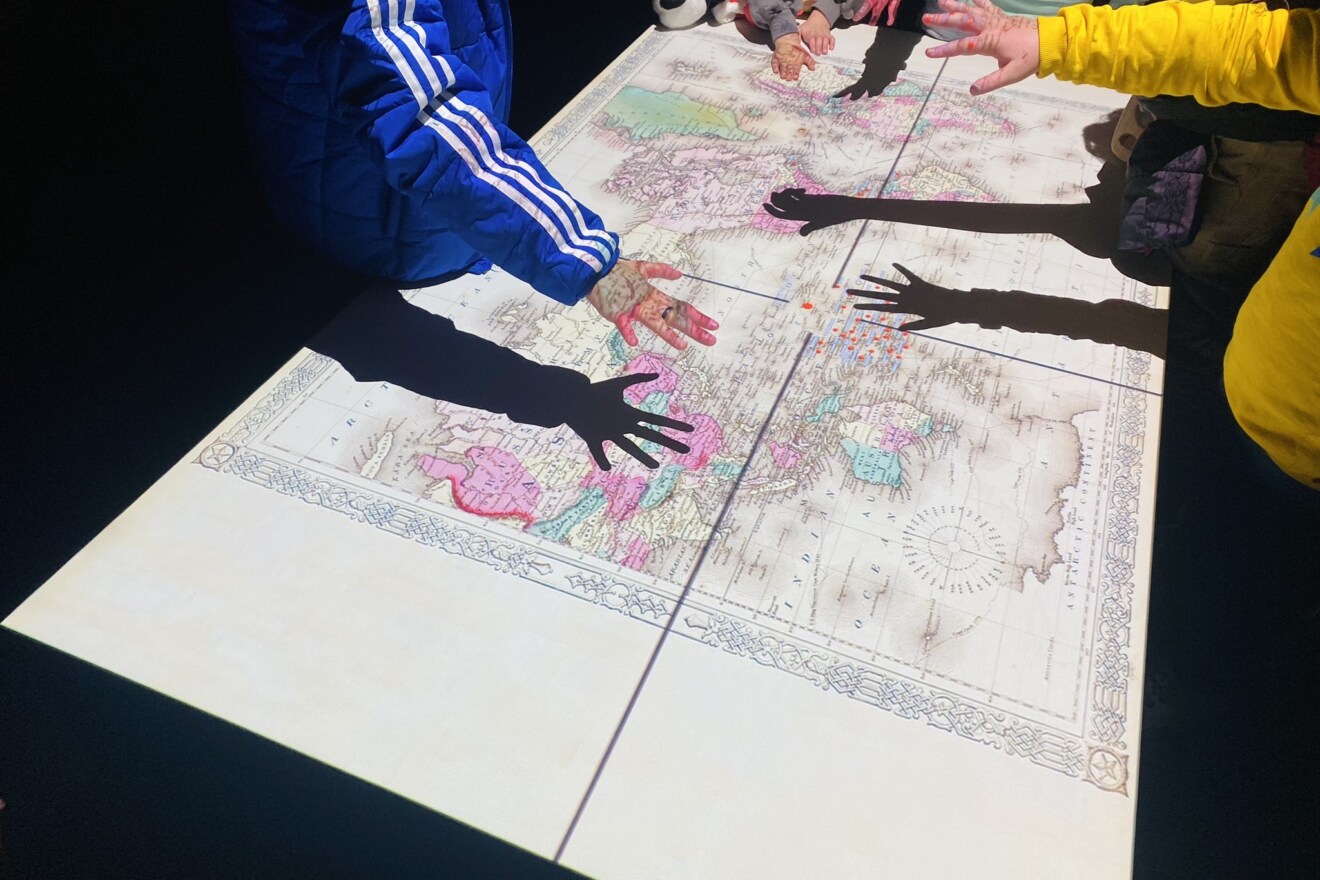
Image Credit: Adele Mary Reed
… like a short cut through the brambles opened to the public on October 6, 2023, across Coventry and the West Midlands, taking a thought-provoking approach to exploring humankind’s complex relationship with the environment. The exhibition and events explore themes such as industry, waterways, land, buildings and livelihoods.
Sevven Kucuk, Operations Director of Coventry Biennial comments: “As we celebrate Coventry Biennial’s 2023 achievements in curatorial vision and sustainability, I’m also delighted to share our enhanced commitment to environmental sustainability operationally. By joining the Galleries Climate Coalition, we are part of a collective force driving positive change in the art world.
“In our pursuit of a greener footprint, we’re taking concrete steps. utilising the Gallery Climate Coalition resources and tools, we will measure the carbon outputs of Coventry Biennial. This invaluable data will guide us in understanding our environmental impact and illuminate pathways for further reduction strategies.”
Coventry Biennial 2023’s Impact
The primary aim of this year’s exhibition installation has been to minimise its impact on the environment, a principle that has been integral to the development and execution of the entire programme. While exhibitions and events can leave substantial carbon footprints, Coventry Biennial has taken proactive steps to align its operations with the broader theme of environmental sustainability, all the way to hosting cycle rides between exhibition venues.
All building materials for … like a short cut through the brambles have been sourced and recycled from previous iterations of the festival and the Herbert Art Gallery and Museum’s recent exhibitions. This intentional reuse of materials not only reduces waste but also underscores the commitment to ecological responsibility.
Coventry Biennial has also opted for digital approaches to interpretation and marketing, reducing the need of printed materials, to further diminish its carbon footprint. An innovative series of videos and an upcoming issue of Edited Volumes, a place for knowledge production and exchange, are part of their digital communications.
Creative Sustainability
Moreover, the Biennial has fostered collaboration between international artists and local organisations to produce their work in an environmentally conscious manner. Notable instances include Can Altay’s collaboration with West Midlands-based MJM Bespoke for the fabrication of his project, Ania Bas and Plane Structure utilising leftover materials from previous fabrication jobs for her project, and Alice Channer working with a local foundry to cast her new work ‘Urn’.
Underlying this year’s Coventry Biennial is the theme of what is extracted from the earth. Throughout the festival, artists explore petrocultures, guano, geology and waste materials. The festival also delves into the question of what can and should be added to public spaces, driving socially engaged projects related to portraiture, storytelling and the cultivation of urban gardens.
For example, Mothers Who Make Coventry have created an evolving garden at The Old Grammar School, reimagining a city-centre garden with an emphasis on beauty, biodiversity, sustainability and inclusivity.
Adele Mary Reed, Coordinator of Mothers Who Make Coventry explains: “The garden has introduced environmentally conscious practices such as a team compost bin, whilst the garden planters have been built from locally discarded pallet wood in a unique collaboration with Talking Birds. The garden also nurtures urban wildlife through bird-feeding and leaving self-seeded pollinator-friendly plant species such as buddleia to grow.”
Committing to Progress
Ryan Hughes, Artistic Director and CEO of Coventry Biennial comments: “When asking artists to explore some of the most serious issues facing society today, it is only right that as an organisation we ask ourselves what we can do better.
“Of course, artworks and exhibitions can have a significant educational impact but the staff, structures and processes behind making and presenting these exhibitions must also take direct action to reduce our carbon footprint.
“This is the start of our journey and we’re measuring our impact with the aim to improve for the next iteration. We also hope that this inspires our colleagues at festivals, galleries and museums to think about the ways that they make exhibitions in the future.”
Sevven Kucuk adds: “Together, as we measure, learn, and pedal towards a sustainable future, Coventry Biennial stands at the forefront of artistic excellence intertwined with environmental responsibility.”
by Joy Corcec